
Reach us on Whatsapp at +91 98115 78409 | 20% Discount on all Prepaid Order. Reach us on Whatsapp at +91 98115 78409 | 20% Discount on all Prepaid Order.

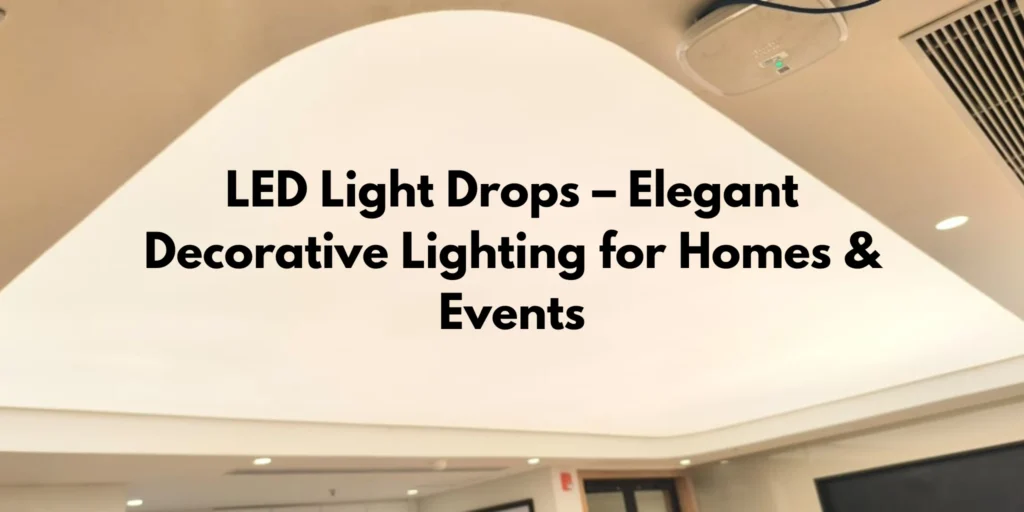
LED Light Drops – Elegant Decorative Lighting for Homes & Events

led light drops

Introduction:

Have you ever walked into a beautifully lit space and instantly felt its charm? That’s the magic of LED light drops — tiny glowing strands that turn ordinary rooms and outdoor spaces into enchanting displays. Whether you’re planning a wedding, setting up festive home décor, or designing an outdoor event, these decorative LED lights offer a stunning blend of elegance and efficiency.

In this guide, we’ll explore what LED light drops are, why they’re trending, and how you can use them to brighten your next celebration — all powered by Lightbeam, your trusted source for decorative lighting solutions.

What Are LED Light Drops?

LED light drops are string-style decorative lights that mimic the look of falling water droplets. Each light glows individually, creating a soft, cascading illumination perfect for homes, events, and outdoor spaces.

 Key Features

  • Flexible design: Easy to hang, wrap, or drape on walls, trees, or ceilings.

  • Energy-efficient: Uses minimal power while providing high brightness.

  • Waterproof options: Many waterproof LED light drops work perfectly for gardens and patios.

  • Safe and durable: Low heat emission makes them safe for prolonged use.

 Common Types

  1. String LED lights – Ideal for wrapping around railings or plants.

  2. Curtain or hanging LED drops – Best for backdrops and event displays.

  3. Battery or solar-powered models – Great for outdoor convenience.

Why LED Light Drops Matter for Homes & Events

Lighting can make or break ambiance. Here’s why LED light drops have become a favorite among decorators and homeowners.

 Transform Ordinary Spaces

Whether it’s a cozy living room, a backyard dinner, or a wedding stage, LED drops bring instant visual elegance. Their soft illumination enhances mood without overpowering décor.

 Energy Savings

LEDs consume up to 80% less energy than traditional bulbs — saving money while reducing environmental impact.

 Flexible Applications

They work beautifully for:

  • Festivals (Diwali, Christmas, Eid)

  • Weddings and receptions

  • Corporate events and showrooms

  • Balconies and patios

 Durable and Long-lasting

Most Lightbeam LED light drops last over 50,000 hours — perfect for frequent decorators or business owners.

How Do LED Light Drops Work?

LED technology powers these lights, using semiconductor diodes to convert electricity into bright, consistent illumination.

 The Science in Simple Terms

Unlike traditional bulbs that heat a filament, LEDs emit light through electroluminescence, making them cooler, longer-lasting, and safer.

 Waterproof LED Light Drops

Waterproof designs feature sealed connections and protective casings, allowing use in rainy or humid environments without damage.

 Smart & Remote-Control Options

Modern versions from Lightbeam offer:

  • App or remote control brightness adjustments

  • Multiple lighting modes (steady, flashing, wave)

  • Color-changing effects for theme coordination

Step-by-Step Guide: How to Use LED Light Drops

Ready to decorate? Follow this simple setup process.

Step 1 – Choose the Right Type

Decide between string LED lights, curtain drops, or solar-powered models based on your event or space.

 Step 2 – Measure the Area

Before buying, measure your walls or ceilings to determine how many meters of lighting you’ll need.

 Step 3 – Plan the Layout

Sketch or visualize placement:

  • Horizontal lines for walls

  • Vertical hangs for curtains or trees

  • Spiral wraps for poles or railings

Step 4 – Install Carefully

Use clips, hooks, or adhesive strips to avoid wire damage.
Pro tip: Always test the lights before final hanging.

Step 5 – Add Finishing Touches

Experiment with colors and patterns. For events, synchronize with music or theme lighting for a magical effect.

Pro Tips for Beautiful LED Décor

Creative Ideas

  • Backdrop sparkle: Use hanging LED drops behind sheer curtains.

  • Outdoor elegance: Wrap trees or gazebos with waterproof LED light drops.

  • Indoor glow: Outline mirrors, shelves, or staircases for a modern touch.

Common Mistakes to Avoid

  • Overlapping cords (causes tangling or uneven lighting)

  • Using indoor lights outdoors

  • Ignoring color temperature (cool vs warm tones)

Maintenance Made Simple

Wipe gently with a dry cloth; avoid bending wires sharply. Store neatly in coil form to extend lifespan.

Next Steps: Bring the Glow Home

If you’re ready to elevate your home or event décor, explore Lightbeam’s premium LED light drops — designed for both style and durability.

Contact us today!
📧 Email: thelightbeamofficial@gmail.com
📞 Phone: +91 98115 78409

Let your spaces shine with elegance, warmth, and creativity.
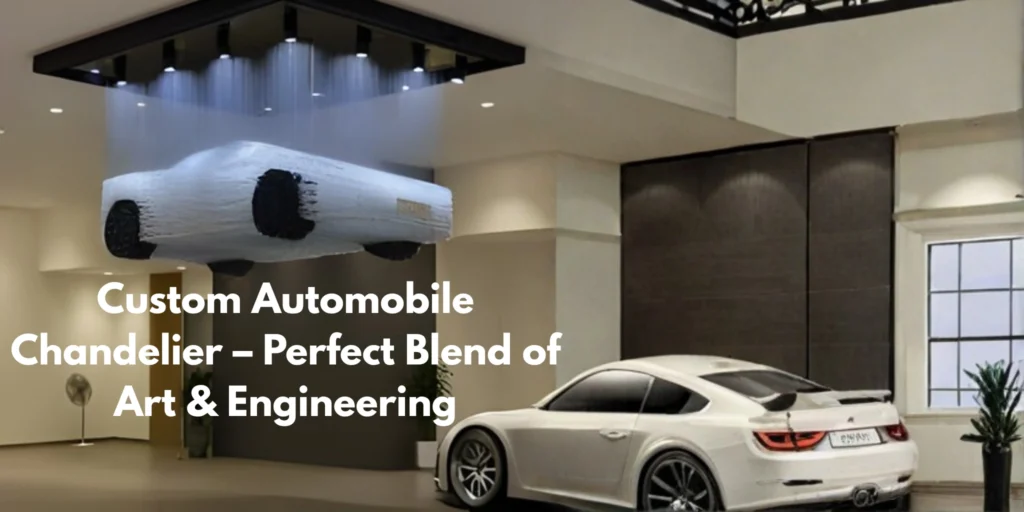
Custom Automobile Chandelier – Perfect Blend of Art & Engineering

automobile chandelier

Introduction: When Cars Meet Automobile Chandeliers

Imagine a automobile chandelier crafted from the soul of an automobile — gears, rims, headlights, and fine metals sculpted into a breathtaking lighting masterpiece.
That’s exactly what a custom automobile chandelier is: a stunning fusion of creativity, craftsmanship, and mechanical precision.

At LightBeam, we’ve turned this vision into reality. Each automotive chandelier we design is more than a light fixture — it’s a statement of luxury and innovation. Whether you’re a car enthusiast, designer, or business owner, this piece can completely transform your space into a showroom of art and engineering.


What Is a Custom Automobile Chandelier?

A custom automobile chandelier is a bespoke lighting fixture inspired by — or crafted from — real automotive components. It’s where industrial design meets elegance.

 Breaking Down the Concept

  • Automobile – symbolizes engineering precision, innovation, and performance.

  • Chandelier – represents art, luxury, and illumination.

  • Together, they form a functional art piece that captures both power and beauty.

These chandeliers are often handmade, using real car parts such as:

  • Steering wheels

  • Gearboxes

  • Brake discs

  • Tail lights

  • Alloy wheels

Each part is repurposed, polished, and engineered to perfection.

Why Custom Automobile Chandeliers Matter

Today, interior design isn’t just about décor — it’s about storytelling.
A car-themed chandelier tells the story of innovation, motion, and individuality.

Unique Aesthetic Appeal

No two chandeliers are the same. Each piece reflects the personality of the car it was inspired by — from vintage classics to futuristic supercars.

 Sustainability Through Art

By reusing automotive materials, designers reduce waste and promote eco-friendly design.
It’s industrial recycling with an artistic twist.

 Perfect for Premium Spaces

These pieces elevate:

  • Luxury garages

  • Automotive showrooms

  • Modern offices

  • Themed restaurants and bars

  • Private man caves

Each chandelier becomes a conversation starter, symbolizing status and taste.

How It Works: The Engineering Behind the Glow

At first glance, it’s pure art — but underneath, it’s a feat of engineering.
Each automotive chandelier goes through a precise design and fabrication process.

 Step 1 – Concept & Design

Our designers at LightBeam collaborate with clients to sketch out their dream chandelier.
We focus on:

  • The car model or theme

  • The lighting style (ambient, accent, or spotlight)

  • The size and ceiling fit

 Step 2 – Material Selection

We handpick authentic automotive parts and combine them with premium metals, glass, and LEDs.
This ensures the fixture remains durable, safe, and visually stunning.

 Step 3 – Fabrication & Assembly

Our craftsmen use precision welding, custom mounts, and CNC finishing to bring the piece to life.
It’s a blend of manual skill and machine accuracy — just like building a car.

 Step 4 – Electrical Integration

We integrate energy-efficient LED systems that highlight every curve and contour of the chandelier, ensuring balanced illumination and safety.

 Step 5 – Testing & Installation

Before shipping, every chandelier undergoes rigorous electrical and weight testing.
LightBeam’s experts also provide on-site installation support across India.

Step-by-Step Guide to Creating Your Own Automobile Chandelier

Thinking of designing your own? Here’s a simple roadmap:

  1. Choose a Theme: Sports car, vintage, off-road, or luxury.

  2. Pick the Components: Headlights, rims, exhaust pipes — your choice.

  3. Plan the Structure: Sketch how each part fits into the design.

  4. Work with an Expert: At LightBeam, our team helps with proportions, safety, and design harmony.

  5. Finalize the Lighting: Decide on LED tone (warm, neutral, or cool white).

  6. Installation: Ensure ceiling strength, electrical points, and balance are checked.

Tip: Always consult a professional fabricator to ensure your chandelier is safe, durable, and well-balanced.

Real-Life Example: Automotive Elegance at Its Finest

One of our signature projects at LightBeam involved a handmade automobile chandelier inspired by a classic Mustang.
We used:

  • Authentic chrome wheels

  • Tail-light inspired LED rings

  • A gear-driven core for motion illusion

The result? A functional sculpture that now hangs in a luxury auto lounge — drawing admiration from every visitor.

Common Mistakes to Avoid

  • Using heavy car parts without proper mounting support

  • Ignoring electrical load limits

  • Skipping professional guidance during fabrication

  • Overcrowding designs with too many components

A chandelier should be balanced — both visually and structurally.

The Art Behind the Shine: Why It’s More Than Just Lighting

Every automobile chandelier represents emotion and engineering.
It’s for those who see cars not just as machines but as masterpieces.

This is luxury automobile decor that reflects personality, craftsmanship, and innovation — all in one frame.

Why Choose LightBeam for Your Custom Automobile Chandelier

At LightBeam, we specialize in designing, manufacturing ,automobile chandelier and delivering bespoke lighting fixtures across India.
Our automobile chandeliers are:

  • Custom-built to your theme and space

  • Crafted by skilled artisans with precision tools

  • Made using high-quality, tested materials

  • Energy-efficient and installation-ready

Whether for your home, office, or showroom, our goal is to help you illuminate your passion through design.

Conclusion: Drive Your Space with Light

A custom automobile chandelier isn’t just a lighting choice — it’s a lifestyle statement.
It merges mechanical artistry with modern luxury, creating a timeless design centerpiece.

So, if you’re ready to turn your ceiling into a piece of automotive art,
📩 Email us at: thelightbeamofficial@gmail.com
📞 Call us on: +91 98115 78409
Let’s build your dream automotive chandelier together.

Lighting Trends 2025: What’s In and What’s Out

As we enter a new era of design consciousness, lighting is no longer just a practical component of our spaces—it’s a central design element that shapes mood, enhances functionality, and defines character. From luxurious residential homes to streamlined commercial settings, the lighting trends of 2025 reflect a growing demand for innovation, sustainability, and personalized aesthetics. In this comprehensive guide, we explore what’s making a bold statement and what’s gradually fading into the past.

What’s In: The Top Lighting Trends for 2025

1. Sculptural Lighting Fixtures

Lighting has transformed into a form of art. In 2025, expect to see dramatic sculptural lighting that serves as the focal point of a room. These fixtures blur the line between function and art with abstract shapes, bold silhouettes, and handcrafted materials.

Examples:

  • Oversized pendant lights in organic, fluid forms.
  • Geometric chandeliers with metallic finishes.
  • Statement-making wall sconces with asymmetrical designs.

Why it’s trending: People are seeking uniqueness and personality in their spaces. Sculptural lighting adds a custom, gallery-like quality to interiors.

2. Minimalist Smart Lighting

As homes become smarter, so does lighting. Smart lighting systems are evolving to offer seamless integration with AI assistants and mobile apps. But it’s not just about tech—aesthetically, these systems embrace minimalism with sleek, unintrusive designs.

Features to look for:

  • Voice and app control
  • Motion sensors
  • Automated circadian lighting (to match your natural rhythm)

Why it’s trending: Convenience meets design. Users love customizing light levels based on mood, task, or time of day.

3. Layered Lighting Design

The “one-light-fits-all” mentality is out. Layered lighting—a combination of ambient, task, and accent lighting—is the gold standard in 2025. It allows for greater control of ambiance and function.

How to implement:

  • Use recessed lights for ambient lighting.
  • Add table or desk lamps for tasks.
  • Highlight artwork with accent lighting.

Why it’s trending: People want spaces that are versatile, visually dynamic, and energy-efficient.

4. Sustainable and Recycled Materials

As sustainability becomes non-negotiable, eco-conscious lighting is on the rise. Expect to see fixtures made from recycled glass, reclaimed wood, natural fiber, and energy-efficient LEDs.

5. Biophilic-Inspired Lighting

Inspired by nature, biophilic lighting incorporates organic forms, warm tones, and natural materials to bring the outdoors inside.

Elements of biophilic lighting:

  • Sunlight simulation through tunable white lighting.
  • Fixtures made from stone, terracotta, or woven rattan.
  • Leaf and floral motifs in design.

Why it’s trending: It’s part of the larger wellness design movement, helping reduce stress and boost mental health.

6. Matte Black and Earthy Tones

High-gloss finishes are being replaced by matte textures and earthy color palettes. In lighting, matte black remains a favorite, offering timeless sophistication.

Complementary tones:

  • Rust
  • Olive
  • Sandstone

Why it’s trending: Earthy tones evoke warmth and calm, making spaces feel more grounded and inviting.

7. Mixed Materials & Textures

2025 celebrates contrast. Lighting fixtures now feature combinations of raw wood with metal, linen with stone, or frosted glass with leather accents.

Why it’s trending: It adds richness and tactile depth to interiors, appealing to multi-sensory design preferences.

8. Retrofit-Friendly Fixtures

Consumers are increasingly looking for lighting that can be easily integrated into existing infrastructure. Retrofit LED solutions that don’t require rewiring are seeing a rise in demand.

Why it’s trending: People want design upgrades without the renovation hassle.

What’s Out: Lighting Trends Fading in 2025

1. Overly Industrial Designs

The raw, warehouse-inspired look popularized in the 2010s is being replaced with softer, more refined aesthetics.

Why it’s fading: Harsh metals and exposed bulbs feel cold and impersonal, especially in residential spaces.

2. Edison Bulbs

Once a staple in modern rustic decor, Edison bulbs are losing their charm. They lack the efficiency and customization of modern LEDs.

Why it’s fading: Poor energy efficiency and dated aesthetics.

3. Single Overhead Fixtures

Relying on one ceiling light to illuminate an entire room is now considered outdated.

Why it’s fading: It doesn’t offer enough flexibility or aesthetic value.

4. Matchy-Matchy Fixtures

Lighting sets that perfectly match (e.g., all brass fixtures in every room) are giving way to more curated, eclectic combinations.

Why it’s fading: Uniformity lacks personality. Mixing styles adds visual interest.

5. Cold, Blue-Toned LEDs

Harsh white or bluish LED lighting is being swapped out for warmer, more natural color temperatures.

Why it’s fading: It can strain the eyes and create an uninviting environment.

How to Choose the Right Trend for Your Space

With so many exciting lighting trends in 2025, it can be tempting to embrace them all. But the key to a well-lit, stylish home or office lies in selective adoption.

Tips to consider:

  • Align your lighting with your lifestyle and room usage.
  • Prioritize energy efficiency and smart features.
  • Don’t sacrifice function for style—both are equally important.
  • Choose timeless elements as your base, and layer in trends through accent pieces.

    The Future of Lighting Is Intentional

    In 2025, lighting is not about following a formula—it’s about creating intentional experiences. Whether you’re illuminating a cozy reading nook, a productive workspace, or a luxurious bathroom retreat, the right lighting can enhance your wellbeing, productivity, and joy.

    Stay inspired, stay updated, and most importantly, stay lit with purpose.

The Science Behind Lighting and Wellness: How Light Shapes Your Mind, Mood, and Productivity

In today’s fast-paced world, where mental health and productivity are paramount, lighting plays a far more significant role than merely illuminating a space. Scientific research increasingly shows that the lighting environment we create—at home, work, or in public spaces—can dramatically influence our mood, energy, focus, and even our sleep cycles.

This blog explores the deep connection between lighting and wellness, with evidence-backed insights and practical tips to help you design mood-enhancing spaces.

1. The Circadian Rhythm: Your Body’s Internal Clock

Our biological processes are synced with the 24-hour day, a cycle known as the circadian rhythm. Exposure to light is the primary cue that tells our body when to wake up, feel energized, or wind down.

What Science Says:

  • Morning exposure to natural daylight triggers serotonin, boosting alertness and mood.
  • Blue-enriched light in the early day enhances productivity.
  • Warm, dim lighting in the evening helps prepare the body for restful sleep by promoting melatonin production.

Pro Tip:

Let natural light in during the day, and opt for dimmable, warm-toned lights after sunset to avoid disrupting your sleep cycle.

2. Light’s Impact on Mental Health

Lighting affects not just how we see our environment—but how we feel in it.

Research Findings:

  • A 2018 study published in Sleep Health showed people working under natural light reported better sleep and reduced depression.
  • Bright, cool-toned lighting is associated with improved mood and reduced symptoms of seasonal affective disorder (SAD).
  • Poor lighting is linked with increased stress, eye strain, and mental fatigue.

Mental Boost Lighting Tips:

  • Choose daylight-mimicking LEDs in workspaces.
  • Position your desk near a window for exposure to natural light.
  • Use full-spectrum light therapy lamps in winter or in windowless environments.

3. Lighting and Productivity: Sharpening Focus Through Design

Whether you’re working from a corporate office or a cozy home nook, lighting can either fuel or drain your productivity.

How Lighting Impacts Output:

  • Bright, white lighting improves focus and alertness.
  • Task lighting helps reduce mistakes in detail-oriented tasks.
  • Glare or poorly diffused lighting leads to eye strain and headaches.

Ideal Productivity Setup:

  • Layered lighting: combine ambient (general), task (focused), and accent (decorative) lights.
  • Avoid placing lights directly behind screens or monitors.
  • Use adjustable desk lamps to spotlight paperwork or reading zones.

4. Sleep Quality and Lighting: Why It Matters

Sleep hygiene isn’t just about screen time—it’s about lighting too. Your bedroom lighting choices directly influence the quality of your rest.

Science Says:

  • Exposure to blue light at night suppresses melatonin.
  • Bright lighting post-dinner can delay your natural sleep cycle.
  • Red or amber lights promote a sleep-friendly environment.

Bedroom Lighting Tips:

  • Use soft, warm light in the evenings—especially in bedrooms.
  • Install dimmers or smart bulbs with scheduling features.
  • Avoid bright overhead lights before bedtime.

5. Wellness Lighting in Living Spaces: Create Calm & Balance

Lighting design has evolved to enhance emotional wellness. Today’s lighting solutions focus on holistic living—from energizing mornings to calming evenings.

Wellness-Oriented Ideas:

  • Use indirect lighting (e.g., cove lights or wall washers) to create a soothing ambiance.
  • Smart lighting can automatically adjust color temperature throughout the day.
  • Include nature-inspired elements: salt lamps, candle-style lights, or fixtures with natural textures.

6. Bioadaptive Lighting: The Future of Wellness Design

Bioadaptive (also called human-centric) lighting adjusts to support your circadian rhythm and personal energy patterns throughout the day.

Innovations in Bioadaptive Tech:

  • Tunable white lights that shift from cool to warm tones automatically.
  • Smart lighting ecosystems like Philips Hue and Lutron that align with your daily routine.
  • Integration with wellness apps to track sleep and mood lighting data.

Why It Matters:

Such technology supports mental clarity during the day and helps the body relax in the evening—enhancing both productivity and emotional health.

7. Designing a Wellness-Focused Space: Room-by-Room Lighting Tips

Home Office:

  • Use cool white light (4000K–5000K).
  • Include task lighting over your desk.

Living Room:

  • Warm ambient lighting (2700K–3000K).
  • Accent lighting for artworks or shelves.

Kitchen:

  • Bright, focused task lights for counters (4000K).
  • Ambient under-cabinet lights.

Bedroom:

  • Dim warm lights (2200K–2700K).
  • Consider bedside lamps with adjustable tones.

Bathroom:

  • Bright, daylight-like lighting for mirrors.
  • Add soft ambient lighting for late-night visits.

8. Lighting for Special Wellness Needs

Lighting can also be therapeutic for individuals with:

  • Anxiety or depression
  • ADHD (requires low-glare, consistent lighting)
  • Insomnia or sleep apnea

Adaptive Solutions:

  • Light therapy lamps for Seasonal Affective Disorder
  • Flicker-free LEDs to prevent sensory overload
  • Sleep-enhancing night lights for children or seniors

Conclusion: Light Is More Than Illumination—It’s Therapy

The right lighting design promotes clarity, peace, and productivity. It can set the tone for your entire day—or help you unwind when it ends. With thoughtful planning, wellness-focused lighting can become the foundation for healthier, happier living and working environments.

Whether you’re upgrading your home, designing an office, or improving daily routines, don’t underestimate the transformative power of light.

Heading:
Real Stories, Brilliant Spaces

Description:
Dive into inspiring transformations powered by our lighting solutions. From cozy homes to expansive commercial projects, these real-life stories reflect creativity, functionality, and impact. Explore how thoughtful lighting design elevated ambience, comfort, and aesthetics across diverse spaces—tailored to each client’s unique vision.

Smart Lighting Solutions for Energy-Efficient Living

Lighting the Way to a Smarter Home

In a world rapidly shifting toward sustainability, smart lighting stands as a beacon of innovation and efficiency. More than just a trend, smart lighting solutions are reshaping the way we live, reducing energy consumption, lowering utility bills, and creating personalized, stylish environments. From smart bulbs and motion sensors to AI-driven automation, the future of lighting is intelligent—and it’s already here.
In this comprehensive guide, we’ll explore how to integrate smart lighting into your home or workspace, how it contributes to energy-efficient living, and why now is the time to make the switch.

What Is Smart Lighting?

Smart lighting refers to a lighting system that can be controlled remotely through apps, voice assistants (like Alexa, Google Assistant, or Siri), or automated schedules. These systems often include:

  • Smart bulbs: LED bulbs that can be dimmed, color-changed, or scheduled via mobile apps.
  • Motion sensors: Turn lights on/off based on occupancy.
  • Smart switches and plugs: Replace traditional switches with programmable and remotely controllable ones.
  • Integrated systems: Connect with home automation ecosystems to sync lighting with music, weather, or your daily schedule.

Why Choose Smart Lighting?

  1. Energy Efficiency
    • Most smart bulbs are LED-based, using up to 80% less energy than incandescent bulbs.
    • Automations reduce waste by ensuring lights are off when not needed.
  2. Cost Savings
    • Reduced energy consumption directly translates into lower electricity bills.
    • Longer bulb lifespan (often up to 25,000 hours) minimizes replacement costs.
  3. Convenience
    • Control lighting from your smartphone or voice assistant.
    • Set scenes and schedules customized to your lifestyle.
  4. Enhanced Ambience
    • Change lighting tone to suit mood, activity, or time of day.
    • Dynamic color and brightness settings create aesthetic appeal.
  5. Security
    • Use timers or motion detection to simulate presence and deter intruders.

How to Integrate Smart Lighting in Your Space

Living Room

  • Use warm lighting during the evening and daylight simulation during the day.
  • Automate to dim lights when watching TV or activate reading modes.

Bedroom

  • Circadian lighting helps regulate sleep by mimicking natural light cycles.
  • Wake-up lights gently simulate sunrise.

Kitchen

  • Task lighting over counters combined with motion sensors to ensure illumination only when needed.

Bathroom

  • Motion-activated night lights for safety.
  • Adjust brightness based on time of day.

Outdoor Areas

  • Motion-triggered floodlights for security.
  • Schedule lights to turn on at dusk and off at dawn.

Tips for a Smooth Transition

  1. Start Small: Begin with a few bulbs or one room before scaling up.
  2. Ensure Compatibility: Check that all devices work with your chosen smart home ecosystem.
  3. Use Groups & Scenes: Organize lighting into zones or moods (e.g., “Movie Night,” “Work Mode”).
  4. Explore Automation: Use IFTTT or routines in your app to automate daily tasks.
  5. Monitor Usage: Many systems offer usage insights to optimize consumption.

Environmental Impact

  • Carbon Reduction: LED smart lights significantly reduce greenhouse gas emissions.
  • Less Waste: Longer lifespan equals fewer replacements and less waste.
  • Support for Renewable Integration: Smart systems can be programmed to use lighting when solar power is available.

Common Myths Debunked

  • Myth: Smart lighting is too expensive.

Fact: Initial investment is quickly offset by energy savings.

  • Myth: Setup is complicated.

Fact: Most systems are plug-and-play with simple mobile interfaces.

The Future of Smart Lighting

Expect AI-driven systems that anticipate user needs, adjust based on mood or health, and integrate with other smart devices for complete home automation. Smart lighting is a crucial part of the evolving smart home ecosystem.

Conclusion: Light Smarter, Live Better

Integrating smart lighting isn’t just a luxury—it’s a step toward a more efficient, sustainable, and enjoyable lifestyle. With advanced technology, intuitive controls, and stunning aesthetic possibilities, it’s never been easier to upgrade your space while saving energy. Whether you’re a homeowner, renter, or business owner, smart lighting is a brilliant move.

Start today—and let your space shine smarter.

Call Now