

Reach us on Whatsapp at +91 98115 78409 | 20% Discount on all Prepaid Order. Reach us on Whatsapp at +91 98115 78409 | 20% Discount on all Prepaid Order.

Tag Archives: lighting

Pendant Lighting for Dining Spaces

Pendant Lighting

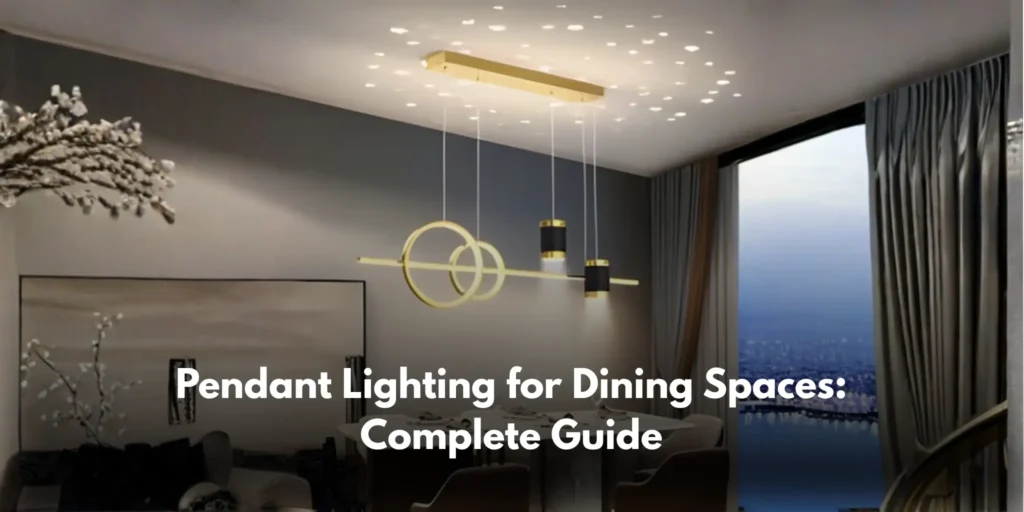
Pendant Lighting for Dining Spaces: Complete Guide

Dining spaces play a vital role in the overall ambience of your home. The right lighting can transform your dining area into a warm, elegant, and welcoming space. Among all lighting styles, pendant lights are the most loved because they add character, mood, and a designer look.

In this guide, you will learn:

  1. What pendant lighting is
  2. Best types of dining pendant lights
  3. What size, shape & height are ideal
  4. Room-by-room pendant light ideas
  5. Top tricks to make your dining space stylish
  6. And why The Light Beam’s collection of hanging lights is perfect for modern interiors

What Are Pendant Lights?

A pendant light is a single hanging fixture that drops down from the ceiling. These lights provide stylish illumination in dining areas, bedrooms, living rooms, kitchens, halls, and offices.

Top uses of pendant lights:

  • Dining pendant lights (most popular)

  • Bedroom pendant lights

  • Living room pendant lights

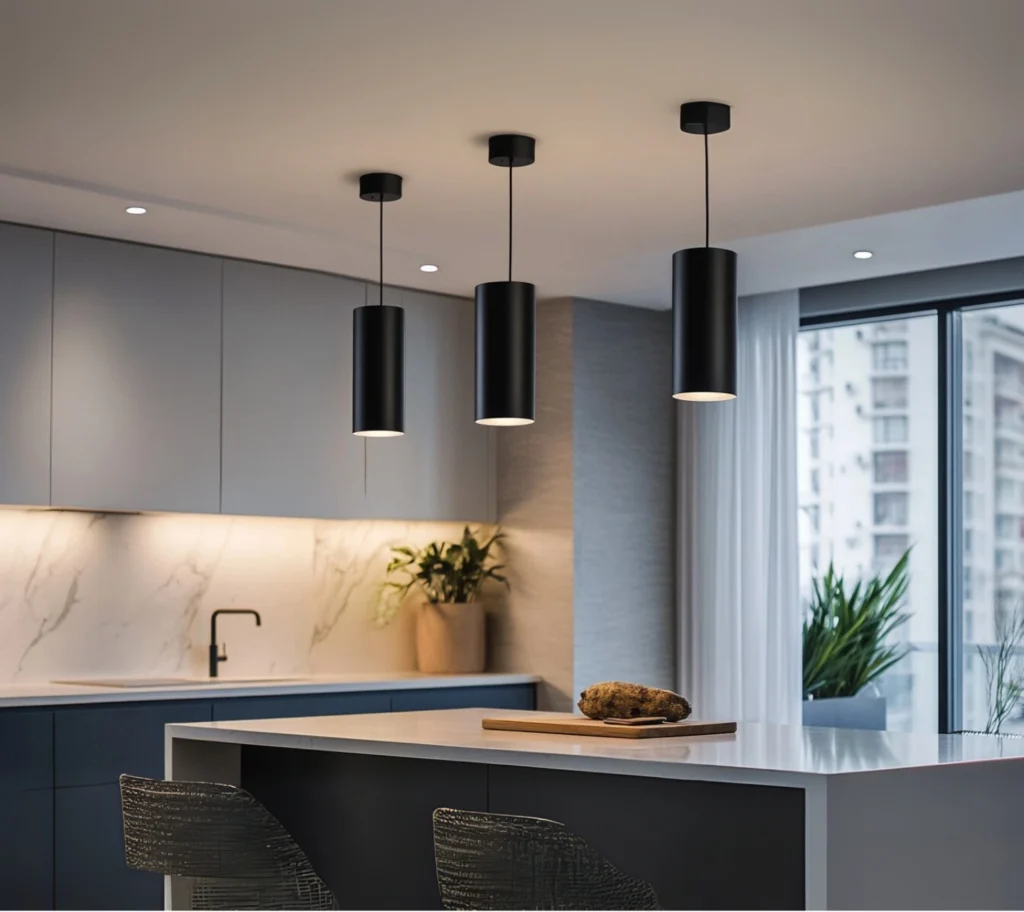
  • Hanging lights for kitchen islands

  • Hanging lights for office tables

  • Wall-hanging lights for décor

  • Hall & foyer pendant lighting

In modern homes, pendant lights have become a statement piece.


Why Pendant Lights Are Perfect for Dining Spaces

1. Creates a Focal Point

A stylish pendant above the dining table instantly becomes an eye-catching focal point.

2. Enhances Mood & Warmth

Warm lighting (2700K–3000K) makes the dining experience cozy and inviting.

3. Modern Interior Look

Designer pendant shapes add a premium feel to modern homes.

4. Functional + Decorative

They provide sufficient light while enhancing the aesthetics of the space.


Best Types of Pendant Lights for Dining Spaces

1. Single Large Pendant Light

One big pendant looks elegant above large dining tables.

Best for:

  • 6–8 seater dining tables

  • Modern minimalist interiors


2. Linear Pendant Lights (Most Trending)

Linear pendant lights align perfectly above long tables.

Perfect for:

  • Long rectangular dining tables

  • Contemporary interiors


3. Cluster Pendant Lights

Multiple pendants hanging in a cluster.

Great for:

  • Round dining tables

  • Center-focused decorative dining spaces


4. Globe & Dome Pendant Lights

Provide even lighting and a soft mood.

Best for:

  • Family dining areas

  • Warm and cozy dining experiences


5. Hanging Ceiling Lights (Classic Style)

Hanging lights with long cords from the ceiling give a traditional yet elegant look.

Use for:

  • Dining rooms

  • Kitchens

  • Halls

  • Living areas


Ideal Height for Dining Pendant Lights

Correct height is extremely important. Standard Height: 30–36 inches above the dining table (depends on table size & light shape)

Rule of Thumb:

  • Bigger pendant → hang slightly higher

  • Smaller pendant → hang slightly lower

Avoid glare and ensure conversations are not blocked.


Choosing the Right Pendant Light Based on Room

1. Dining Room

  • Linear pendants

  • Dome pendants

  • Warm lights (2700K–3000K)


2. Living Room

  • Big statement pendants

  • Cluster lights

  • Artistic shapes


3. Bedroom

  • Side hanging pendant lights

  • Soft dimmable lights


4. Kitchen

  • Island pendants

  • Small dome lights


5. Hall & Entrance

  • Tall hanging chandeliers

  • Multi-level pendants


6. Office & Workspace

  • Slim pendants

  • Glare-free task lighting


Tips to Select the Perfect Dining Pendant Light

1. Match the Pendant to the Table Shape

Rectangular table → Linear pendant
Round table → Single or cluster pendant

2. Choose the Right Color Temperature

Warm 2700K is perfect for dining areas.

3. Pick the Right Material & Finish

Metal, wood, glass, or matte finishes that complement your interior.

4. Layer Your Lighting

Pendant + wall lights + ambient lights = balanced and stylish dining area.

5. Keep the Scale Correct

A very large pendant over a small table will look out of place.


Why The Light Beam for Pendant Lighting?

The Light Beam offers:

  • Modern pendant lights

  • Designer shape lights

  • Premium hanging ceiling lights

  • Residential + commercial lighting

  • Custom lighting solutions for dining, halls, bedrooms & offices

Our lights are designed for: Elegance. Comfort. Premium Ambience.

FAQ

1. How to choose the right size pendant light for dining spaces?

Choose a pendant that is 50–60% of the dining table width. Large tables work best with linear pendants.

2. What is the ideal height for a pendant light above a dining table?

Standard height is 30–36 inches above the dining table for a stylish look without glare.

3. Can pendant lights be used in the living room?

Yes. Living room pendant lights add style and ambient lighting to modern interiors.

4. Where to install bedroom pendant lights?

Commonly installed on both sides of the bed. Soft dimmable lighting is ideal for bedrooms.

5. Can hanging lights be used in kitchens and halls?

Absolutely. Dome pendants are best for kitchen islands, while long hanging ceiling lights work beautifully in halls.

6. What are the best pendant lights for offices?

Slim, modern, glare-free pendant lights offering focused illumination—ideal for hanging lights for office or hanging lights for office table.

Smart Lighting Solutions for Energy-Efficient Living

Lighting the Way to a Smarter Home

In a world rapidly shifting toward sustainability, smart lighting stands as a beacon of innovation and efficiency. More than just a trend, smart lighting solutions are reshaping the way we live, reducing energy consumption, lowering utility bills, and creating personalized, stylish environments. From smart bulbs and motion sensors to AI-driven automation, the future of lighting is intelligent—and it’s already here.
In this comprehensive guide, we’ll explore how to integrate smart lighting into your home or workspace, how it contributes to energy-efficient living, and why now is the time to make the switch.

What Is Smart Lighting?

Smart lighting refers to a lighting system that can be controlled remotely through apps, voice assistants (like Alexa, Google Assistant, or Siri), or automated schedules. These systems often include:

  • Smart bulbs: LED bulbs that can be dimmed, color-changed, or scheduled via mobile apps.
  • Motion sensors: Turn lights on/off based on occupancy.
  • Smart switches and plugs: Replace traditional switches with programmable and remotely controllable ones.
  • Integrated systems: Connect with home automation ecosystems to sync lighting with music, weather, or your daily schedule.

Why Choose Smart Lighting?

  1. Energy Efficiency
    • Most smart bulbs are LED-based, using up to 80% less energy than incandescent bulbs.
    • Automations reduce waste by ensuring lights are off when not needed.
  2. Cost Savings
    • Reduced energy consumption directly translates into lower electricity bills.
    • Longer bulb lifespan (often up to 25,000 hours) minimizes replacement costs.
  3. Convenience
    • Control lighting from your smartphone or voice assistant.
    • Set scenes and schedules customized to your lifestyle.
  4. Enhanced Ambience
    • Change lighting tone to suit mood, activity, or time of day.
    • Dynamic color and brightness settings create aesthetic appeal.
  5. Security
    • Use timers or motion detection to simulate presence and deter intruders.

How to Integrate Smart Lighting in Your Space

Living Room

  • Use warm lighting during the evening and daylight simulation during the day.
  • Automate to dim lights when watching TV or activate reading modes.

Bedroom

  • Circadian lighting helps regulate sleep by mimicking natural light cycles.
  • Wake-up lights gently simulate sunrise.

Kitchen

  • Task lighting over counters combined with motion sensors to ensure illumination only when needed.

Bathroom

  • Motion-activated night lights for safety.
  • Adjust brightness based on time of day.

Outdoor Areas

  • Motion-triggered floodlights for security.
  • Schedule lights to turn on at dusk and off at dawn.

Tips for a Smooth Transition

  1. Start Small: Begin with a few bulbs or one room before scaling up.
  2. Ensure Compatibility: Check that all devices work with your chosen smart home ecosystem.
  3. Use Groups & Scenes: Organize lighting into zones or moods (e.g., “Movie Night,” “Work Mode”).
  4. Explore Automation: Use IFTTT or routines in your app to automate daily tasks.
  5. Monitor Usage: Many systems offer usage insights to optimize consumption.

Environmental Impact

  • Carbon Reduction: LED smart lights significantly reduce greenhouse gas emissions.
  • Less Waste: Longer lifespan equals fewer replacements and less waste.
  • Support for Renewable Integration: Smart systems can be programmed to use lighting when solar power is available.

Common Myths Debunked

  • Myth: Smart lighting is too expensive.

Fact: Initial investment is quickly offset by energy savings.

  • Myth: Setup is complicated.

Fact: Most systems are plug-and-play with simple mobile interfaces.

The Future of Smart Lighting

Expect AI-driven systems that anticipate user needs, adjust based on mood or health, and integrate with other smart devices for complete home automation. Smart lighting is a crucial part of the evolving smart home ecosystem.

Conclusion: Light Smarter, Live Better

Integrating smart lighting isn’t just a luxury—it’s a step toward a more efficient, sustainable, and enjoyable lifestyle. With advanced technology, intuitive controls, and stunning aesthetic possibilities, it’s never been easier to upgrade your space while saving energy. Whether you’re a homeowner, renter, or business owner, smart lighting is a brilliant move.

Start today—and let your space shine smarter.

Call Now